
Why No-Shows Cost $150B and How to Reclaim Your Revenue
In the high-stakes world of modern healthcare, efficiency isn't just a buzzword—it is the difference between a thriving practice and a mounting deficit. Every year, the U.S. healthcare system hemorrhages an estimated $150 billion due to patient no-shows. This staggering figure represents more than just empty waiting rooms; it signifies lost clinical opportunities, administrative strain, and a direct hit to your bottom line. When a patient fails to appear, the cost of the staff, the facility, and the specialized equipment remains, but the revenue evaporates.

At Kiyado Labs, we understand that reclaiming this revenue requires more than just sending a manual text reminder. It requires a fundamental shift in how we manage patient flow and facility utilization. By leveraging a bed turnover optimization platform, healthcare providers can move beyond reactive scheduling and into a state of proactive operational excellence. In this deep dive, we explore why the traditional model is failing and how automated solutions like VOXYLO are transforming these losses into measurable ROI.
The Invisible Drain: Breaking Down the $150 Billion Loss
The financial impact of no-shows is often underestimated because it is fragmented across different departments. However, when we look at the data, the "invisible drain" becomes painfully clear. For a single physician, a 15-20% no-show rate can translate to tens of thousands of dollars in lost revenue annually. But the ripples go deeper than the immediate missed fee.
- Operational Idle Time: Highly paid specialists and support staff sit idle while overhead costs continue to accrue.
- Extended Patient Wait Times: While slots go unused today, other patients may wait weeks for an opening, leading to lower patient satisfaction and potential leakage to competitors.
- Reduced Clinical Outcomes: Chronic no-shows often lead to delayed diagnoses and poorer long-term health outcomes, increasing the overall cost of care in the long run.
To solve this, health systems are turning to advanced automation. Integrating tools like Medix helps bridge the gap between clinical data and administrative scheduling, ensuring that the entire patient journey is optimized for attendance and efficiency.
Leveraging Bed Turnover Optimization to Solve the Throughput Crisis
While outpatient no-shows drain revenue, inpatient inefficiency creates a massive bottleneck that stalls the entire ecosystem. A bed turnover optimization platform acts as the central nervous system for hospital operations. When a patient is discharged, the clock starts ticking. Every minute a room sits empty—or worse, remains "dirty" because of a communication breakdown—is a minute the Emergency Department remains overcrowded and elective surgeries are delayed.
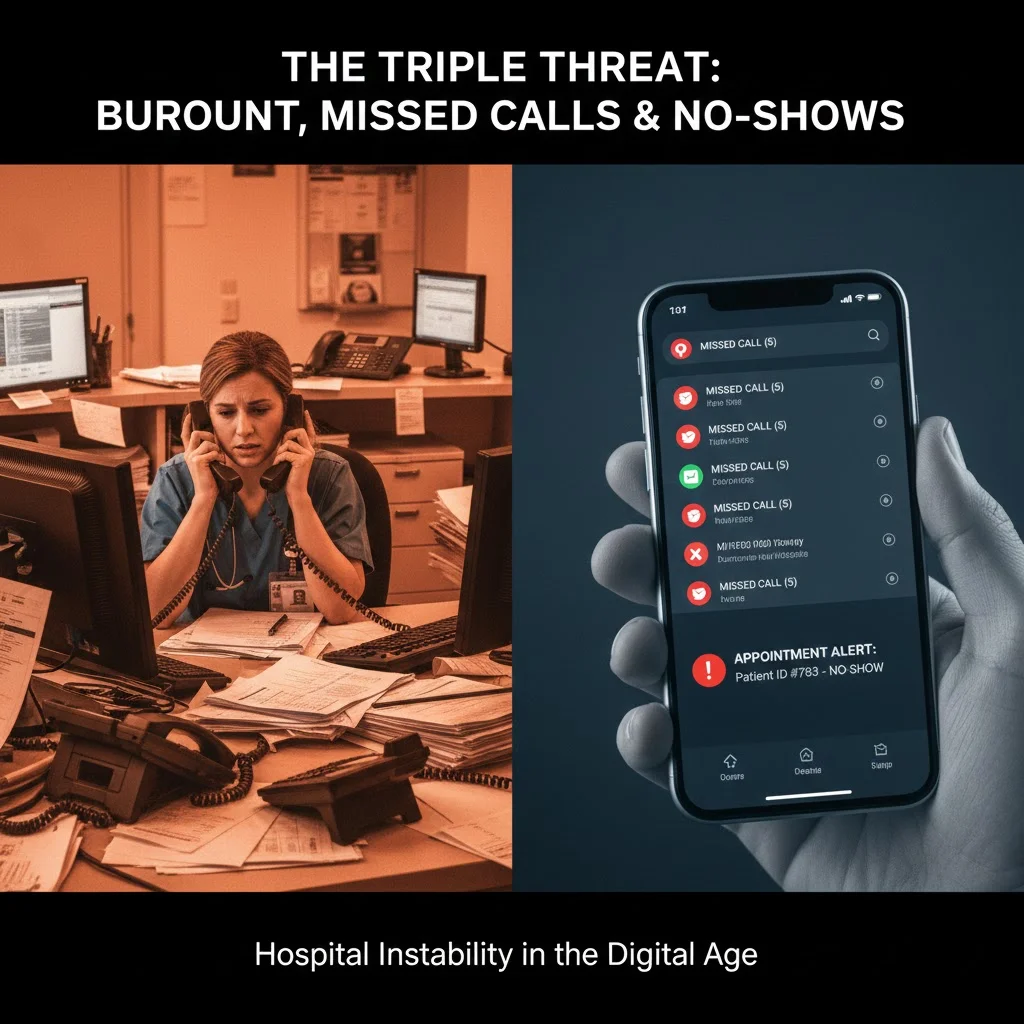
By automating the notification process between clinical staff, environmental services (EVS), and transport, facilities can reduce the "hidden" wait times that usually occur between manual phone calls or pager alerts. Modern platforms utilize AI to predict discharge readiness, ensuring that the next patient is staged and ready the moment a room becomes available. This seamless transition is critical for reclaiming the 30% of revenue often lost to operational friction.
The Role of VOXYLO in Patient Flow Automation
To truly combat the cost of inefficiency, Kiyado Labs has focused on high-impact solutions like VOXYLO. Unlike traditional EMR modules that are often clunky and slow, VOXYLO focuses specifically on the acceleration of patient movement. It eliminates the "whiteboard lag" by providing real-time visibility into every bed’s status. This level of transparency ensures that staff members are not searching for information, but rather acting on it.
When combined with intelligent scheduling, these systems help ensure that the high-value assets—your operating rooms and specialized care units—are always functioning at peak capacity. This isn't just about speed; it's about precision. Reducing a bed turnover by just 15 minutes across a large facility can result in the ability to treat hundreds of additional patients per year, significantly impacting the annual ROI.
Ending the Cycle of Staff Burnout
One of the most significant, yet frequently ignored, costs of no-shows and poor patient flow is staff burnout. When the system is inefficient, the burden of "fixing" it falls on the nurses and administrative staff. They spend their days making repetitive phone calls, hunting down housekeeping, and apologizing to frustrated patients in the waiting room.

Automation changes the narrative. By implementing smart reminder systems and automated bed tracking, we remove the cognitive load from the clinical team. Using a platform like WHTAI for intelligent administrative support allows your staff to work at the "top of their license." When staff are empowered by technology rather than hindered by it, retention rates improve, further saving the organization the massive costs associated with clinician turnover.
Data-Driven Revenue Recovery
To reclaim the $150B industry loss, providers must stop guessing why patients don't show up. AI-driven analytics can identify patterns—such as specific zip codes with transportation hurdles or certain appointment types with high abandonment rates. With this data, healthcare leaders can implement targeted interventions, such as integrated ride-sharing services or telehealth pivots, ensuring that no slot remains vacant.
This data-first approach, a hallmark of the Kiyado Labs methodology, ensures that every operational change is backed by evidence. Whether it’s optimizing the laundry cycle for bed turnover or using predictive modeling to overbook low-risk slots, the goal is a resilient, self-optimizing revenue cycle.
Frequently Asked Questions (FAQ)
How much do healthcare no-shows actually cost the industry?
Missed appointments cost the U.S. healthcare system approximately $150 billion annually, with individual physicians losing an average of $200 per unused time slot.
What is a bed turnover optimization platform?
It is an AI-driven solution that automates the coordination of patient discharges, room cleaning, and new admissions to maximize facility throughput and reduce wait times.
How can automation reduce staff burnout?
By handling repetitive administrative tasks like scheduling and reminders, automation allows clinical staff to focus on patient care rather than logistics.
Conclusion: The Path to Resilient Revenue
The cost of no-shows and inefficiencies is too high to ignore. Continuing with manual scheduling and disjointed bed management is essentially accepting a 30% reduction in potential revenue. By adopting a comprehensive bed turnover optimization platform, you are not just buying software; you are investing in the sustainability of your practice.
The future of healthcare lies in automation, predictive analytics, and maximizing the value of every single time slot and bed. It is time to turn those lost opportunities into realized revenue.
Ready to Reclaim Your Revenue?
Don't let inefficient workflows drain your resources. Discover how VOXYLO can transform your operations.
Schedule Your Demo Today